

The pinata hanging point is a working part, not a decorative loop. It must transfer the filled product’s load into the body while the organizer controls the final ceiling, rope and event setup.
An empty pinata may feel almost weightless. After candy or favors are added, the top support carries more load and may experience movement during the activity. That change should be part of sample approval.
The visible cord is only one part of the system. The attachment inside or around the body, the surrounding structure and the product orientation determine whether the load stays distributed or tears one small area.
The factory can test the product-side hanging point. It cannot certify an unknown venue beam, hook, rope or installation. The event organizer remains responsible for a suitable location, hardware, clearance and supervised use.
In this guide
Follow the load from the candy to the ceiling
Start with the intended contents and practical filled weight for the exact SKU. Confirm where the filling sits and whether the product remains balanced when it is lifted.
Inspect the hanging attachment and the body around it. The support should not depend on fringe or one weak surface layer. Ask the sample record to show the top, attachment and loaded hanging view.
Then review the event route: how staff will fill the item, lift it, connect it and keep participants clear. A strong product can still be used poorly if the final setup is improvised.
A hanging loop is not a complete safety plan
- The sample is checked empty and used heavily filled.
- The visible loop is tested but the surrounding body is ignored.
- Contents collect on one side and the product tilts.
- The factory is expected to approve unknown venue hardware.
- The organizer leaves no clearance around participants and the product.
Separate product strength from venue setup
| Part of the system | Who controls it | What should be checked |
|---|---|---|
| Product body and attachment | Factory and buyer sample approval | Loaded orientation, tearing and deformation |
| Contents and closure | Buyer or event organizer | Practical amount and balanced placement |
| Rope, hook and support | Venue or event organizer | Rated, suitable installation and clearance |
| Activity control | Event organizer | Participants, movement and supervised use |
Example: the loop is intact but the body tears around it
A buyer checks the visible cord by pulling it while the sample is empty. At the event, the body is filled heavily and begins to tear around the attachment. The loop itself was not the weak point; the load path around it was never tested.
A better check uses representative contents, lifts the sample in the intended orientation and observes the area around the support. The buyer records the filling used rather than describing the result as unlimited strength.
The venue team then chooses suitable local hardware and clearance. Product approval and installation planning meet, but they remain different responsibilities.
Add the hanging record to receiving inspection
Warehouse staff do not need to hang every unit, but they should know what to inspect on sampled cartons: attachment present, surrounding body undamaged, opening and closure intact, and no crushing around the top. Use the approved reference photos so the check is fast and consistent.
If damage appears, record the SKU, carton, quantity, top and side views before the product is moved through several teams. Good evidence helps the factory distinguish a construction issue from carton pressure or later handling. It also gives both sides a practical path to improve the next pack without exposing customer identities.
The photograph I would add to the approval file
I would include one clear top view and one photograph of the filled sample hanging. Those views are less attractive than the front image, but they show whether the buyer is approving a complete working product or only the decoration.
Add hanging to the product brief
Tell us:
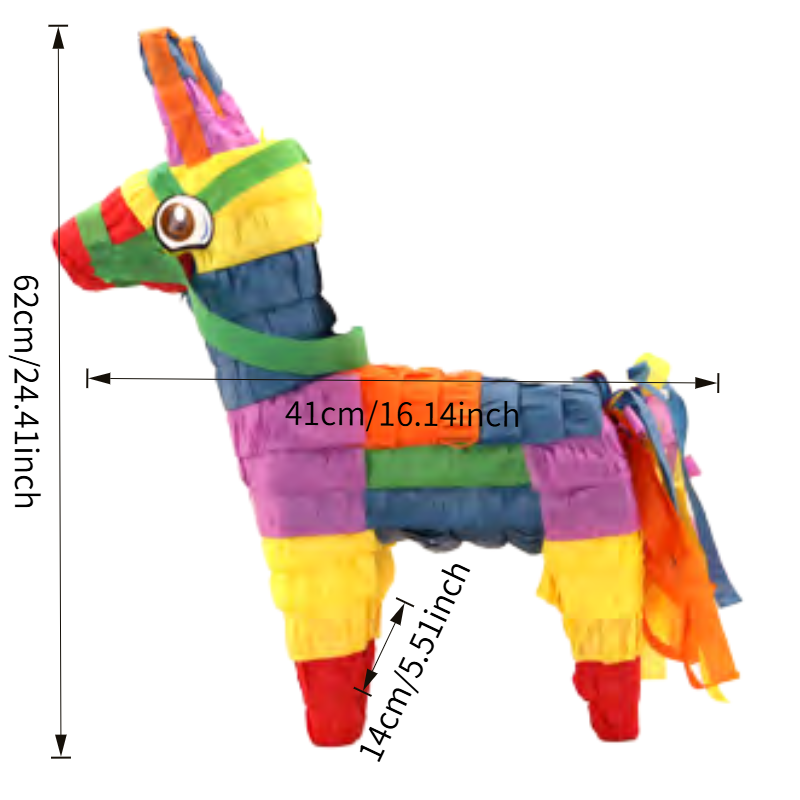
- Exact product reference and finished dimensions.
- Intended contents and practical target amount.
- Break-open, pull-string or display use.
- Hanging orientation and desired viewing side.
- Sample test and approval evidence required.
- Venue constraints known to the buyer.
Add the filled hanging test to approval
Send the exact product and planned contents. We can discuss the product-side hanging test and document what the sample shows, while your event team confirms the final support and setup.
Frequently asked questions
How strong should a pinata hanging point be?
It should be tested for the intended product, contents and use. Avoid a universal load claim across different shapes and constructions.
Can the factory approve my ceiling hook?
The factory can discuss the product attachment, but the venue or organizer must choose and verify local support and hardware.
Why test the pinata after filling?
Contents change load, balance and stress around the top. Empty handling does not show the full condition.
What evidence should a buyer request?
Ask for the top attachment, fill opening, loaded hanging view and any agreed functional test in the sample record.