When a buyer asks about pinata quality control, I first ask what would make the order unusable or difficult to sell after it reaches the warehouse.
A retailer may be worried about the wrong barcode or a crushed display shape. An event supplier may care more about the filling opening, hanging point or pull-string mechanism. A branded product may be rejected because its silhouette no longer resembles the approved artwork. “Good quality” means something different in each case, so a useful QC plan must begin with the buyer’s real risk.
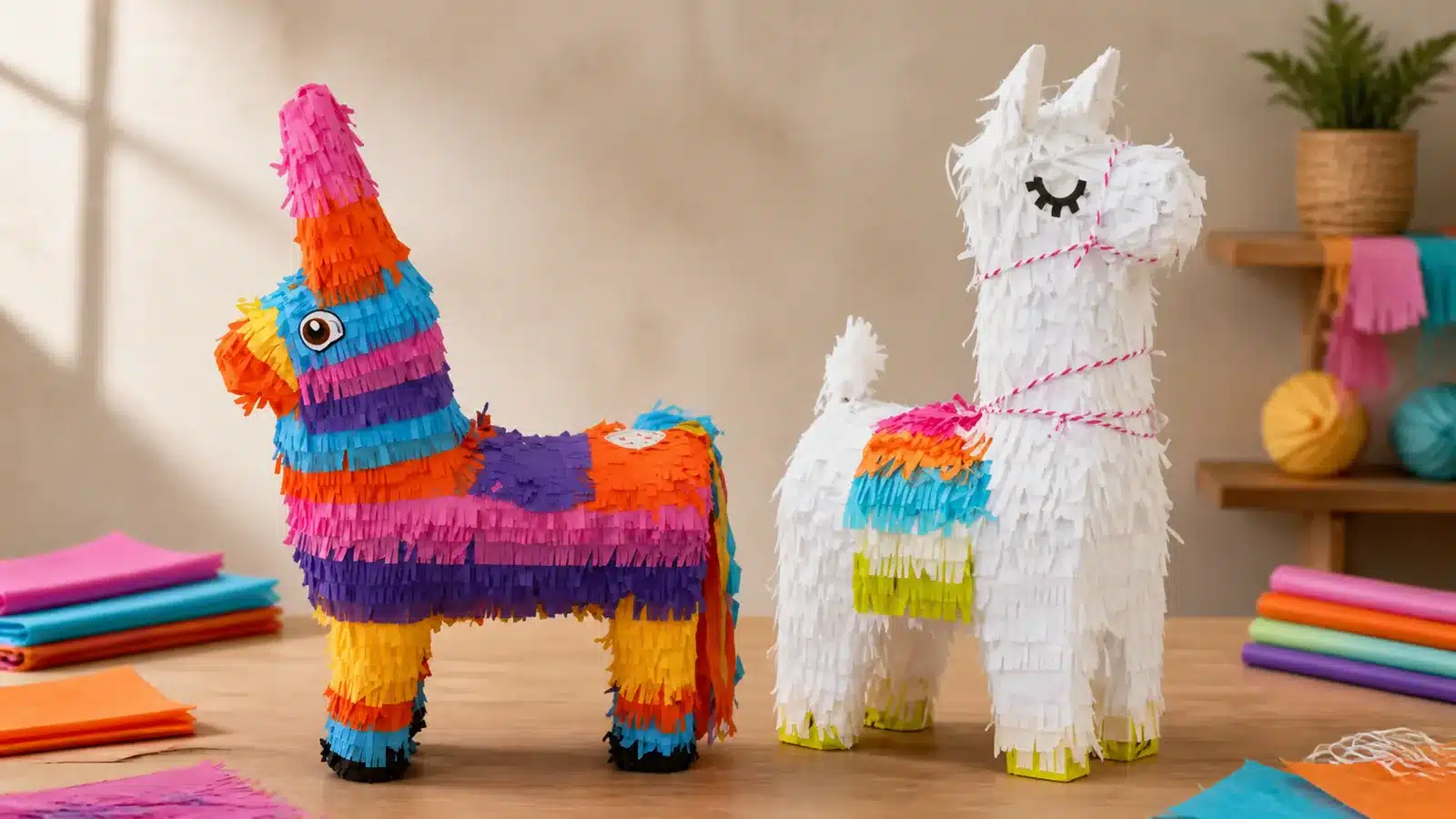
A pinata is a lightweight paper structure, not a precision-molded part. Its visible surface is commonly created by cutting, fringing and gluing colored tissue or crepe paper by hand. About 80% of our production work is manual, so small differences in paper overlap, fringe spacing or symmetry are normal. Those differences are not the same as a wrong design, failed function, missing attachment or incorrect label.
Write the three failures that would make you reject the order
Those three consequences are the fastest way to set a useful QC scope. The factory can then connect each risk to the approved sample, a measurement, a function check or packing evidence.
- A functional failure, such as hanging, filling access or the agreed release mechanism.
- A saleability failure, such as the wrong silhouette, missing feature, label or barcode.
- A logistics failure, such as crushed protrusions, wrong count or an unapproved pack.
- The evidence required before shipment: photo, video, report or third-party inspection.
- Any named AQL, test or destination requirement that must be quoted in advance.
In this guide
The short factory answer: approve one clear reference, define the failures that matter for the order, check them before they are repeated, and confirm packing before release.
Let the product’s use define quality
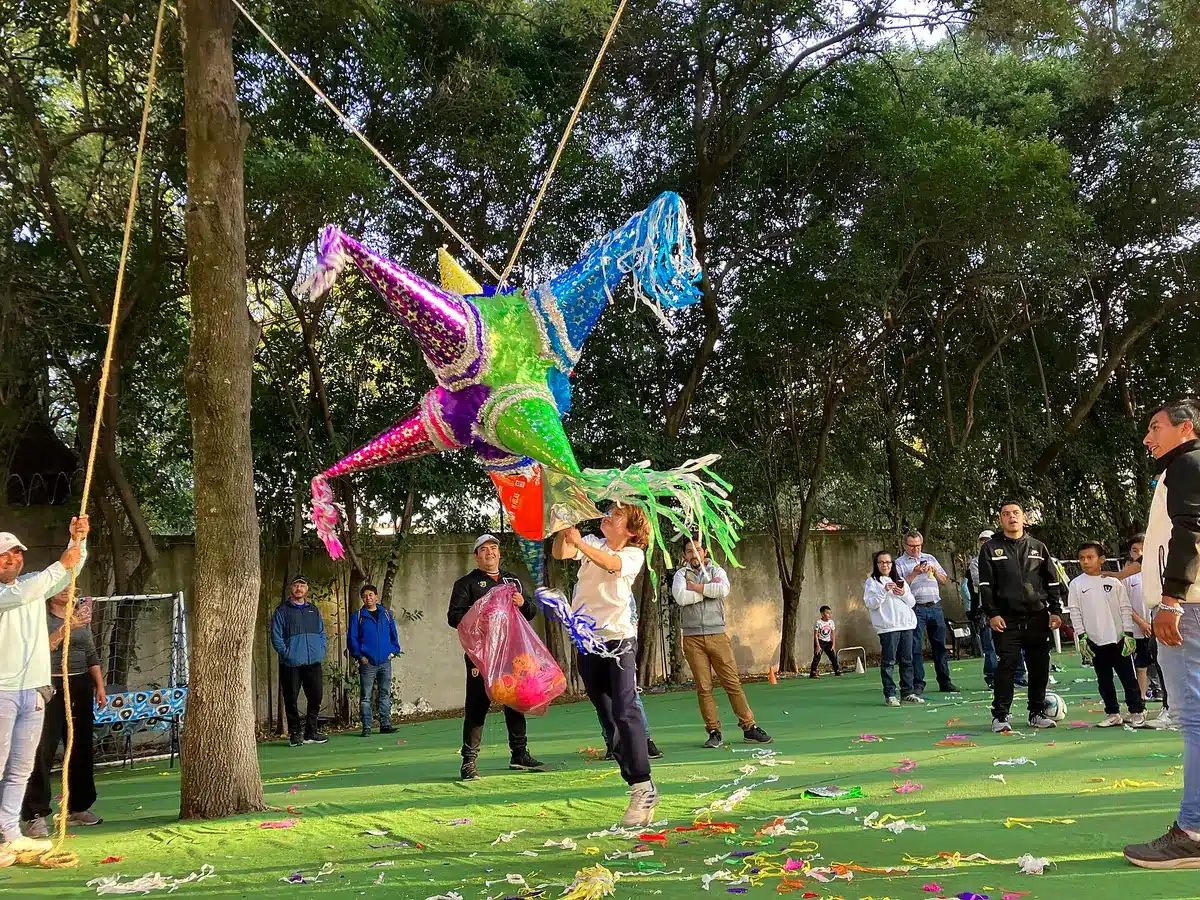
Before setting inspection points, confirm how the customer will use the product. Traditional strike-to-break piñatas are filled, hung and hit until the contents fall. In Mexican Las Posadas, piñatas may be filled with sweets, peanuts and seasonal fruit. Modern pinata ranges also include pull-string products, mini favors, decorations, ornaments, photo props and branded event pieces. Inspecting all of them in the same way would protect the wrong things.
The agreed fill changes the load carried by the body, so estimate the intended candy capacity before setting the load check.
| Use | What must work | Main QC focus |
|---|---|---|
| Strike-to-break party game | Hold the agreed filling during preparation and hanging, then open during the intended activity. | Filling opening, hanging point, body construction and important attachments. |
| Pull-string party game | Release the contents through the intended ribbon and door mechanism. | Mechanism, ribbon arrangement, filling access and hanging. |
| Mini favor or display piece | Look attractive at close range and arrive in the correct assortment. | Recognizable shape, finish, small details, count, labels and individual presentation. |
| Branded or seasonal piece | Represent the artwork or theme clearly and arrive before a fixed selling date. | Must-keep visual features, key colors, SKU separation, packing and deadline. |
Strength is a good example. A pinata that opens while being filled has failed. A strike-to-break product that is so heavily reinforced that guests cannot open it may also fail its intended use. A PBS profile of a third-generation pinata maker shows how construction can be adjusted for the number of swings expected. The target is therefore suitable performance for the intended use, not maximum strength in every order.
Make the approved sample the common reference
For a handmade product, the approved sample is where the design becomes a production reference. It should stay connected to the current artwork, agreed dimensions, color direction, filling and hanging points, mechanism, labels and packing decisions. A message saying “looks good” is too easy to interpret differently later.
- Identify the approved version and approval date.
- Keep front, side and back views, plus close-ups of important details.
- Write the measurement points instead of relying on the product photo.
- Record every accepted change and any feature that still needs confirmation.
- State whether approval is by photo, video or physical sample.
- Confirm separately whether the label and packing method are also approved.
Remote approval is often enough when the important features are easy to show. A physical sample is more useful when scale, construction, balance, surface feel or packing cannot be judged reliably on screen. Sample timing, revisions and approval methods are covered separately in our pinata sample guide, so they do not need to be repeated in this QC article.
Write an order-specific QC checklist
The checklist should allow someone who did not join the sales conversation to reach the same decision. Replace broad requests such as “normal size,” “strong hanging point” or “good packaging” with the product reference, measurement method and an agreed acceptance result.
Do not record only that a loop is present; inspect the hanging point and the structure around it under the agreed product load.
| Area | What to confirm before production |
|---|---|
| Product identity | SKU, design, colorway, logo interpretation and viewing direction. |
| Dimensions and shape | Important measurement points, a realistic design-specific range and the finished silhouette. |
| Function | Expected contents or fill load, filling opening, hanging point, break-open or pull-string construction. |
| Finish | Key colors, must-keep decorative details, attachment positions and acceptable handmade variation. |
| Retail and packing | Label, barcode, individual protection, units per carton and carton marks. |
| Release evidence | Required photographs, video, inspection report or buyer approval before shipment. |
We do not apply one unpublished tolerance, strength test or AQL to every design. Size, construction and buyer requirements change the answer. If your company requires a named sampling plan, laboratory standard or inspection company, include it before quotation so feasibility, cost and timing can be agreed.
Check at the moments that matter
Before production
The team needs one current reference showing the design, quantity by SKU, dimensions, color direction, mechanism, attachments, label files and packing instruction. Mixed-design orders need particularly clear records because a correct product can still be packed under the wrong label or counted against the wrong SKU.
During early production
Check the first pieces before the same misunderstanding is repeated. Compare the overall silhouette, important dimensions, color direction, filling and hanging points, mechanism and critical details with the approved reference. If the instruction was unclear, correct the instruction as well as the product.
For a pull-string design, an attractive sample is not enough; check how the pull-string release should work and repeat that functional check on early bulk pieces.
Before packing and shipment
Return to the agreed checklist rather than introducing a new standard at the end. Confirm product identity, appearance, dimensions, function points, attachments, quantities, labels and packing. The buyer and factory should already know what evidence is required and who can release the shipment.
To place these checks in the real workflow, see how our pinata factory handles production and inspection before defining the final approval record.
Separate handmade variation from a real defect
Handmade variation is real, but it cannot be a blanket excuse. A slightly uneven fringe edge is different from a missing hanging point. Small paper-placement differences are different from a shape that no longer resembles the approved design. The practical question is whether the difference changes function, recognizable appearance or the agreed retail presentation.
| Category | Examples | Decision |
|---|---|---|
| Unacceptable | Wrong product or brand, serious safety or legal concern, or a failure that makes the intended use impossible. | Isolate and review; do not release by assumption. |
| Important defect | Outside the agreed size range, failed mechanism, missing attachment, wrong filling/hanging point, label error or a major shape/color problem. | Rework or replace according to the order agreement. |
| Acceptable handmade difference | Small fringe, paper overlap or symmetry differences that do not change function or presentation. | Compare with the approved visual range. |
Photographs of the approved front, side and key details make this discussion easier. When exact physical color matters, use an agreed physical reference because lighting, cameras and screens can make the same paper appear different.
Include packaging, freight and storage in the decision
Pinata packaging cannot be standardized across every product. A mini shape, a large number and an animal with protruding ears or legs do not need the same protection or use carton space in the same way. A product can look correct before packing and still arrive crushed because the chosen orientation or protection was unsuitable.
The large hollow space is part of the product’s purpose: the end user needs room for candy, small toys or other party contents. This also makes a pinata very light for the volume it occupies. A shipment may fill a container by volume long before it reaches the weight limit, and freight can sometimes cost more than the products. The same cartons can also consume warehouse space faster than a buyer expected.
QC should therefore confirm that the product and approved protection method match the final carton data. Detailed carton planning belongs in our pinata packaging guide, while FOB, chargeable volume and landed-cost planning belong in the shipping guide. For this article, the essential rule is simple: do not approve the product and postpone all packaging decisions until the end.
What to send before we quote
You do not need to prepare a professional inspection manual. Start with the product and the business risk. The following information gives us enough context to identify which points must be sampled, measured or confirmed.
- Product link, artwork or reference for every design.
- Quantity required for each design, color and size.
- Target dimensions and the points that should be measured.
- Break-open, pull-string or another intended construction.
- Expected contents or fill load, filling access and hanging requirement.
- The three failures that would create the biggest problem for you.
- Labels, barcodes, individual packing and warehouse constraints.
- Destination market and any named test, AQL or inspection requirement.
From that brief, we can separate confirmed requirements from points that still need a sample or written decision. The goal is not to make every handmade piece mathematically identical. It is to make the features that matter to your order clear enough to approve, produce and inspect consistently.
Tell us the three problems you most want to prevent
Send the product or artwork, quantity by design, target dimensions, mechanism, packing needs and destination market. We will identify which points need a sample, a written limit or evidence before shipment.
Frequently asked questions
Do you use one universal AQL level for every order?
No. If your company requires a named sampling plan or acceptance level, send it before quotation so the scope, cost and timing can be agreed.
Can a handmade pinata match the approved sample exactly?
It should match the approved design in the important points, while small differences in fringe placement, paper overlap or symmetry may remain acceptable when they do not change function or presentation.
What should be checked before shipment?
The checklist should cover product identity, agreed dimensions, overall appearance, filling and hanging points, mechanism when applicable, important attachments, quantity, labels and packing.
Can I arrange testing or third-party inspection?
Potentially, yes. Send the named standard, inspection company, sampling plan and release requirements before quotation so feasibility and scheduling can be confirmed.
Is packaging included in QC?
It should be. Pinatas are irregular and cannot use one universal specification, so protection, count, labels, carton marks and final carton data need to match the actual product.