
A custom pinata sample is valuable only when both sides know exactly what the buyer is approving.
A sample can look excellent from the front while the depth, filling opening, hanging point or packing direction remain completely unconfirmed. That is why “looks good” is one of the least useful approvals a buyer can send.
Our current sample route commonly takes 3–7 days depending on complexity. A trial can cover two or three representative products, one revision is included, and an eligible sample fee may be credited to the bulk order when the quotation states that condition.
The buyer does not need to sample every design. The better approach is to choose samples that expose the different risks in the order and to define the views, measurements and functions each sample must prove.
Choose samples that represent different risks
For a mixed order, three similar colors of the same simple shape teach very little. A stronger set might include one custom silhouette, one pull-string product and one design with protruding parts that affect the carton.
| Sample type | What it can prove |
|---|---|
| Catalog/reference sample | General size, construction and finish direction |
| Custom visual sample | Shape recognition, colors and important details |
| Functional sample | Pull-string, hanging or filling access |
| Packing sample | Protection, orientation and units per carton |
Write the approval sheet before paying for the sample
The sample fee buys a decision, not only a physical object. Decide what the factory must show and who has authority to approve it before the sample work begins.
- Name the sample version and attach the exact artwork or product reference.
- List the dimensions, views, colors, function and packing points that must be checked.
- Choose photo, video or physical approval according to the decision you need to make.
- Record the included revision and what would count as a new structural change.
- Keep one dated final approval file and mark every replaced version as obsolete.
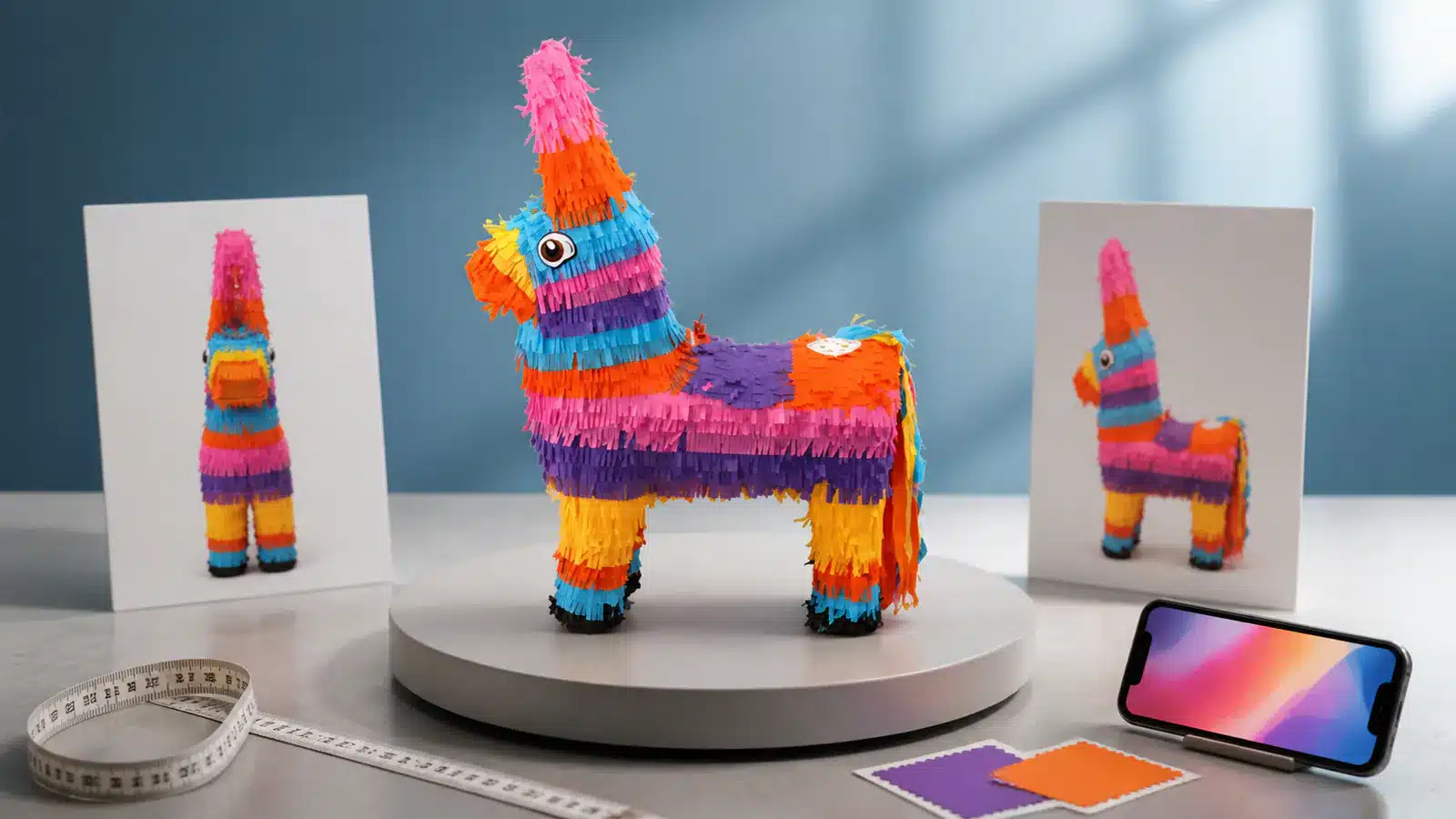
Oliver’s factory view: The sample stage is where changes are cheapest. If the buyer is unsure about size, opening, color or packing, I want that uncertainty on the table before the team begins repeating the design.
Write the approval questions before the sample is made
List what the buyer must see or measure. If the logo must be recognizable from several metres away, say so. If a filling opening must accept a particular bag of candy, show the approximate package and weight. If a maximum carton size matters, give that limit before the shape is finalized.
- Front, side and back appearance
- Important dimensions and measurement points
- Color reference and must-keep artwork
- Filling opening and hanging point
- Break-open or pull-string construction
- Label placement and retail pack
- Proposed carton orientation and protection
Understand timing, fee and one revision
The 3–7 day window begins after the sample brief and payment are confirmed and the required materials are available. A simple reference sample and a new structure do not require the same work, so the quotation should state the start point.
One revision is included in the current route. Changing a color or attachment position is different from changing the size or rebuilding the structure. A structural change may affect cost and timing because the first sample no longer answers the same question.
If the sample fee can be credited to the bulk order, the quotation should state the condition. The buyer should not assume every courier cost, extra revision or physical sample is included.
Choose photo, video or physical approval for the decision
Photographs are efficient for appearance and labelled measurements. Video is better for showing the whole shape, hanging balance, filling access and a pull-string mechanism. A physical sample is best when scale, surface feel, construction or the pack cannot be judged remotely.
Whichever route is used, keep one final approval record with the version date, images, measurements, accepted changes and the name of the approver. Mark replaced files clearly so an old revision does not return during production.
Example: the opening nobody approved
A buyer approves a front image of a character pinata. When the physical piece arrives, the buyer discovers that the filling opening is smaller than expected. The factory did not intentionally ignore the requirement; the opening was never part of the approval request.
In the revised process, the buyer asks for a close-up and measurement of the opening, a short hanging video and a photograph of the proposed protection. The next approval covers the product as it will actually be used and shipped.
Move the sample into production without losing decisions
The approved sample should stay connected to the artwork, written measurements, color direction, label files and packing notes. Early bulk pieces are checked against that reference before the design is repeated at scale.
Small handmade differences will remain, but the important shape, function, attachments and retail identity should follow the approved interpretation. This is where sample control becomes QC rather than a separate marketing step.
Related buyer resources
- Custom Pinatas: Design and Manufacturing Guide
- Pinata Packaging and Carton Planning for Irregular Shapes
Tell us what the sample must prove
Send two or three representative products, the important views and dimensions, the function you need to see and whether approval will be by photo, video or physical sample.
Frequently asked questions
How many products can I sample first?
The current process can support a trial of two or three products, subject to design review.
How long is sample preparation?
A stock or reference sample normally requires 3–7 days depending on complexity. Custom timing is quoted after the brief is reviewed.
Is a revision included?
One revision is included. Later changes can affect cost and schedule.
Can approval be remote?
Yes. Photo or video approval can be used when suitable; a physical sample is better when scale, construction or surface feel is critical.