

Low MOQ pinatas make sense for a test order, but a tiny quantity spread across too many designs can be more expensive and less informative than a focused pilot.
Many mid-sized retailers do not need a container of one pinata. They need a manageable first assortment, enough variety to learn what customers want and enough warehouse room to continue selling the rest of the party range. That is a reasonable commercial need.
The phrase “low MOQ,” however, does not describe one fixed number. The workable minimum changes with an existing design, a new custom structure, color variants, private-label materials and individual packaging. It also applies per design more often than buyers expect.
The right goal is not the lowest possible number. It is the smallest order that can be produced cleanly, shipped sensibly and measured honestly.
Ask for MOQ at product level
Send a table with quantity by design, size and color. An existing product may use materials and patterns already understood, while a new custom silhouette needs sample development and a separate production group. A branded bag or printed box may also have its own supplier minimum.
Our MOQ is confirmed by product. A number displayed on a catalog page is a starting point for that item, not a promise that every custom or packaging combination shares the same minimum.
| Choice | Why it changes the workable minimum |
|---|---|
| Existing design | Less development and a known construction route |
| New custom shape | New sample, interpretation and production reference |
| Many color variants | Separate material preparation and identity control |
| Private-label pack | Additional artwork and packaging-component minimum |
| Mixed mechanisms | Different function checks and production handling |
Write down what the low-MOQ pilot must teach you
A small order is useful when it answers a commercial question. If the buyer cannot say what result would trigger a reorder, the order may only create a shallow collection of slow-moving stock.
- Choose a small evergreen core that can support repeat demand.
- Use each test SKU to examine one clear size, mechanism, theme or price question.
- Set a sell-through signal and a final reorder date before stock arrives.
- Include freight per unit and warehouse cube in the pilot budget.
- Keep normal sample, identity and packing controls even when quantity is limited.
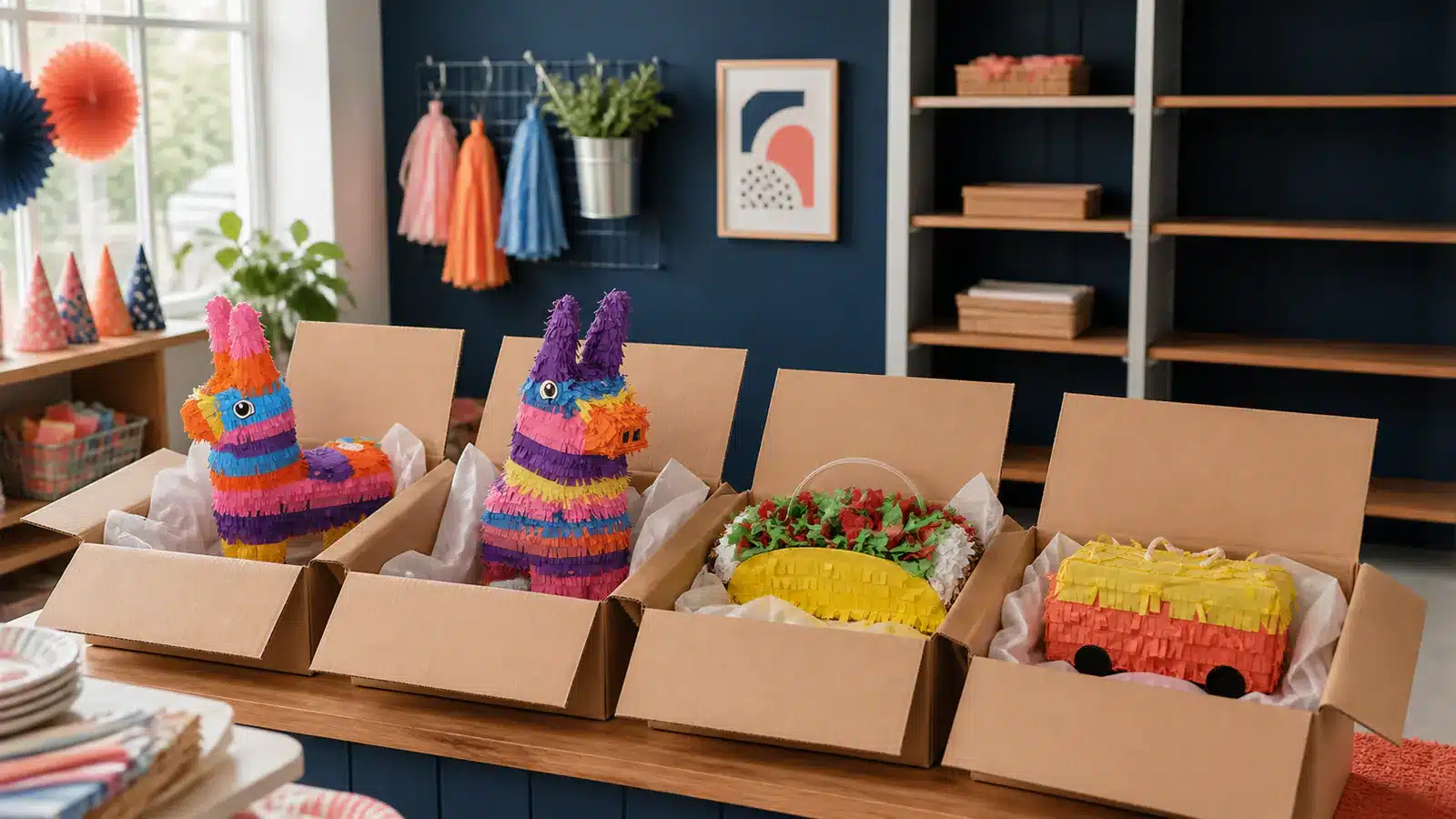
Oliver’s factory view: I would rather help a retailer start with four designs that have a clear selling role than accept twelve tiny quantities that create confusion in production and weak data in the store.
Build the pilot around questions you can answer
A first order should test a small number of commercial questions: do customers prefer mini favors or standard game products; does a large display piece support a higher price; which evergreen theme deserves replenishment?
If every SKU tests a different size, theme, mechanism, pack and price, the buyer may not have enough sales for any one result to be reliable. Keep most of the order in a small core and reserve a limited share for genuine experiments.
- Choose two to four evergreen designs for the core.
- Add one different size or mechanism to test a clear need.
- Limit seasonal stock to the receiving and selling window.
- Use custom development only when it is central to the offer.
- Set the sell-through signal that will trigger a reorder.
Include freight and storage in the risk calculation
Pinatas are light and hollow. A small order can therefore have an unattractive freight cost per unit because the cartons occupy space without contributing much chargeable weight efficiency. The buyer also needs room to store irregular cartons after arrival.
Compare pilot choices using the landed cost and warehouse volume, not the unit price alone. Sometimes increasing the depth of the best two designs improves freight and selling continuity more than adding four more designs.
Ask for preliminary pack assumptions during quotation and final carton data after the samples and protection are approved. Do not commit your retail margin to an estimated carton that may change.
Protect the learning with normal sample and QC controls
A low-volume order still represents your store. Do not remove the sample, product identity or final packing check simply to reach a lower total. A failed test does not teach the market anything if the problem was an unapproved product.
Select two or three representative sample risks rather than automatically sampling every catalog item. Keep the approved references and inspect the features that affect use, appearance, hanging, filling and retail identity.
Example: a useful seven-SKU pilot
A party retailer begins with four evergreen birthday designs, one mini favor, one pull-string item and one seasonal product. The birthday designs receive most of the units because they can sell throughout the year.
The mini and pull-string items test different use cases, while the seasonal quantity is limited to the selling window. The buyer measures sell-through by role and plans to reorder the winning evergreen items instead of repeating all seven equally. The order is still varied, but every SKU has a reason to exist.
Related buyer resources
- Mixed Design Pinata Orders: MOQ, SKUs and Carton Rules
- Pinata Landed Cost: Freight, Duty and Storage
- Mini Pinatas Wholesale: Sizes, Uses, MOQ and Packing
Plan a pilot that can teach you something
Send your candidate designs, quantity by SKU, storage limit and target selling window. We will help identify the smallest workable production groups and the designs worth sampling.
Frequently asked questions
Do you offer low MOQ?
MOQ is confirmed by product. Some current catalog products show 100 units, while custom or complex designs require review.
How can I keep the first order manageable?
Concentrate units in a small core range, use limited variants and test customization only where it supports a clear selling idea.
Does low MOQ always reduce risk?
No. Higher unit cost, inefficient freight and an over-wide assortment can offset the lower inventory commitment.
Should I start with custom designs?
Only when the custom concept is central to the offer and you have time for sampling. Catalog-led pilots usually provide faster learning.