

A custom number pinata range looks simple, but a retailer can quickly create dozens of combinations across digits, letters, colors, sizes and packs. Start with the occasions and combinations customers actually buy, then protect depth and storage.
Numbers serve birthdays, anniversaries and milestones across many themes. Their demand is not equal. The first digit of common ages, repeated digits and locally important celebrations can move differently from the full zero-to-nine set.
Letters create even more inventory risk because shoppers may need names, initials or short messages. A stock alphabet can occupy large space while missing the exact combination the customer wants.
Retailers should decide whether the program is ready stock, preorder customization or a small core with factory-supported special orders. The answer changes quantity, lead-time communication and assortment breadth.
In this guide
Choose the retail model before choosing every character
For ready stock, use sales evidence to select digits, colorways and sizes. Keep the visual style consistent so customers can combine numbers without obvious differences.
For preorder or custom letters, define how the customer selects color, size and timing. Do not promise immediate availability when the order still needs design confirmation or production.
If the main question is which alphabet characters deserve ready stock, continue with the stock-and-preorder letter planning guide before turning every A–Z option into inventory.
Review the physical pack. Tall narrow digits and wide letters have different carton efficiency. If products are sold in pairs, the retail and shipping plan should consider the common combinations rather than treating every unit independently.
Build a range customers can actually find and reorder
| Range choice | What demand should support it | How much to keep |
|---|---|---|
| Ready-stock digits | Fast milestones and repeat colorways | Forecast by digit, not only total numbers |
| Combination stock | Ages or dates frequently bought together | Check joint display and pack strategy |
| Custom letters | Names, initials and campaign text | Use preorder with clear approval and timing |
| Style system | Font, thickness, fringe and color palette | Freeze one reference so combined units look intentional |
Example: stocking ten digits in three colors
A retailer considers every digit from zero to nine in three colors. The range creates 30 SKUs before size or mechanism is added, and equal quantities assume demand that the store has not observed.
A safer launch uses one consistent color system, focuses on the digits and combinations most relevant to the customer base, and handles less common requests through preorder when possible.
Sales are tracked by individual digit and by combination. A zero may appear slow alone but be essential to common milestone ages. The buyer should not exit it without understanding the paired demand.
When reordering, compare not only units but cartons and remaining combinations. A warehouse can hold many unmatched digits that look like inventory on paper but cannot complete the orders customers request.
How I would look at it from the factory
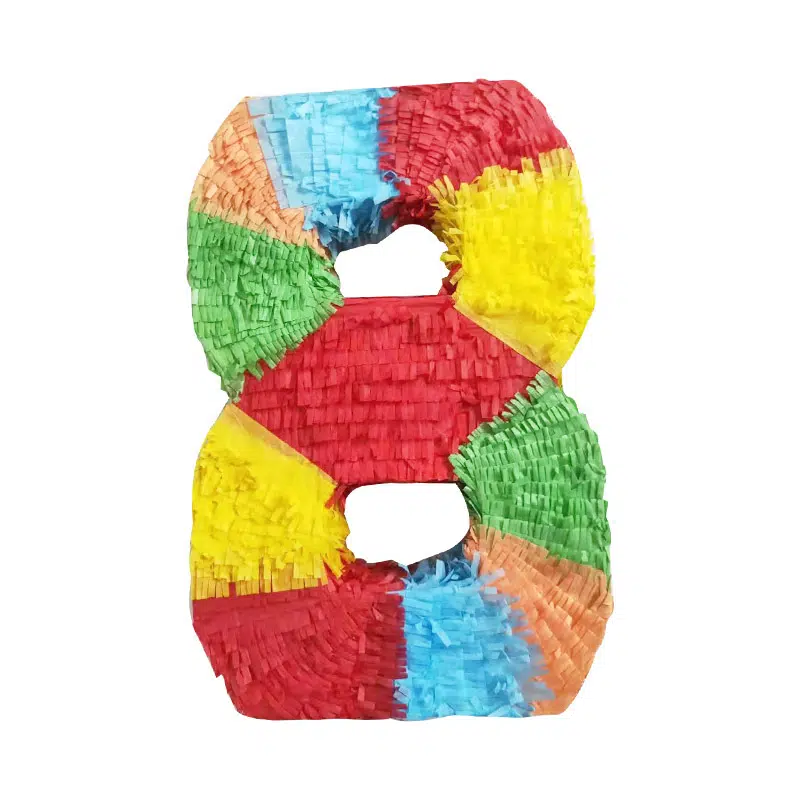
Number shapes are easier to repeat when the buyer freezes the style: width, depth, curve, fringe direction and color reference. If every reorder changes one of those details, customers who combine two digits may notice the mismatch.
Build a character demand matrix
Use historical sales, customer enquiries and local occasion patterns. Separate stock assumptions from custom requests.
- Digit or letter, style, color, size and mechanism for each SKU.
- Units sold alone and units sold as part of combinations.
- Common pairs, ages, dates, initials or short words.
- Display, individual pack and barcode requirement.
- Carton cube and storage by character group.
- Rule for ready stock, preorder and discontinued combinations.
A complete alphabet can be an incomplete retail offer
- Equal quantities ignore actual demand by character.
- Too many colors prevent meaningful depth in the core style.
- Two digits from different production versions do not match.
- The store holds unmatched characters that cannot complete common combinations.
- Preorder timing is communicated as if the custom product were in stock.
Build the number and letter range around real demand
Use historical sales, customer enquiries and local occasion patterns. Separate stock assumptions from custom requests. Start with digit or letter, style, color, size and mechanism for each SKU; units sold alone and units sold as part of combinations; common pairs, ages, dates, initials or short words.
Frequently asked questions
Should a retailer stock every number from zero to nine?
Not automatically. Use demand by digit and common combinations, while keeping enough breadth to complete important milestone ages.
Can number pinatas from separate orders match?
They can follow one approved style and color reference, but handmade production still allows small differences. Preserve the current specification and physical approval record.
Are custom letters suitable for ready stock?
A full alphabet creates substantial SKU and storage exposure. Preorder or a small core may be better unless sales data support the range.
How should number combinations be forecast?
Track individual digits and the pairs or groups customers buy. Inventory that cannot complete common combinations may have less commercial value than the unit count suggests.