
For a custom logo pinata, recognition from the intended viewing distance matters more than copying every line of the artwork.
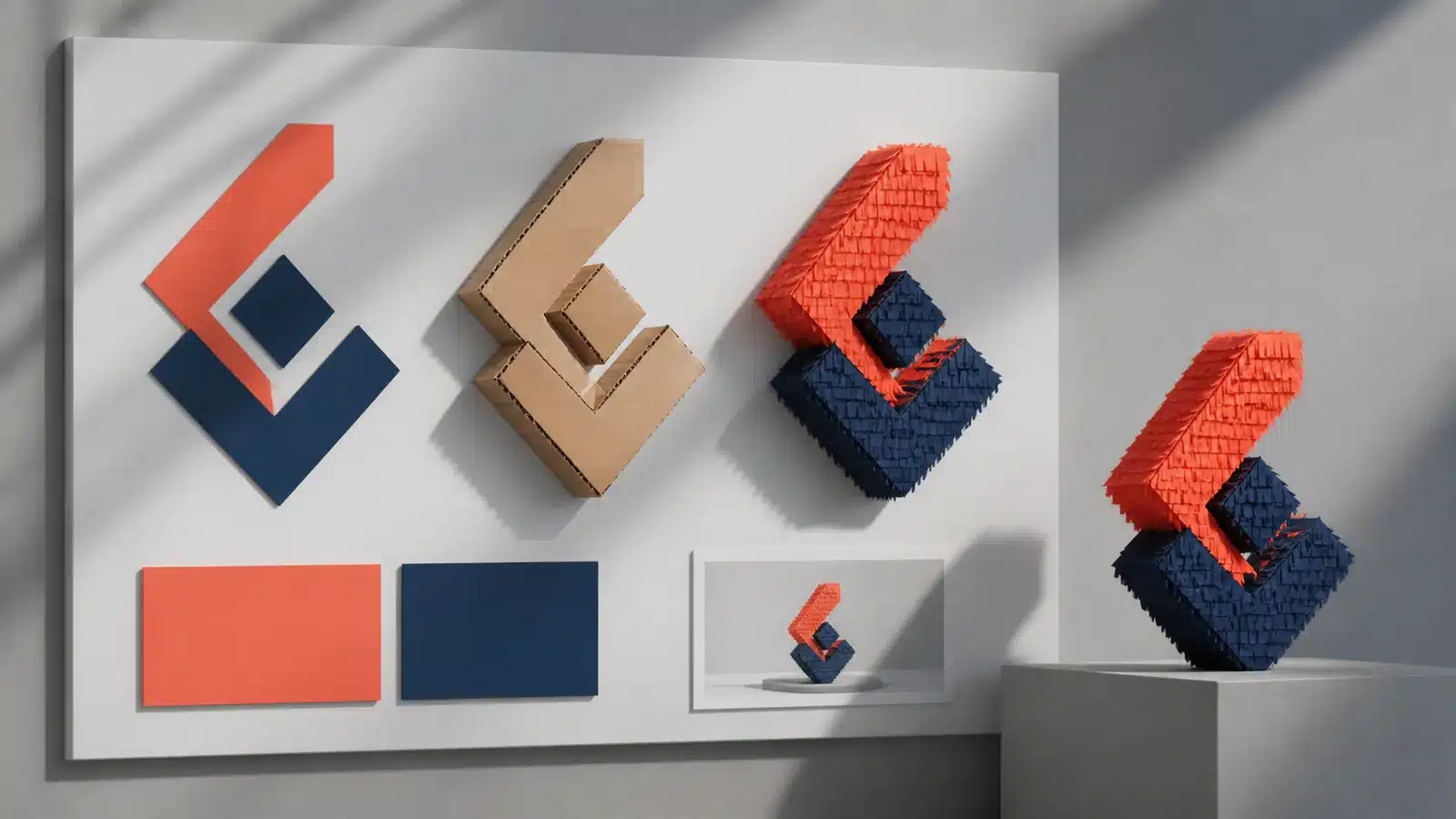
A logo was usually designed for a flat screen, printed page or package. A pinata is a hollow three-dimensional object covered with cut and glued paper. Thin lettering, gradients and small negative spaces cannot always be transferred literally without making the result weak or visually untidy.
The first job is therefore not “copy the file.” It is to identify the few features that make the brand recognizable: the outer silhouette, dominant color blocks, a distinctive symbol and perhaps one short word. The sample then proves how those features behave at real size.
This is especially important for corporate events. The product may appear in photographs, hang above a stage or be broken as an activity. Each use creates a different priority for appearance, structure and timing.
Define the moment the logo must work
Tell the factory whether the pinata is a photo prop, hanging display, retail product or break-open game. A photo prop may need a clean front and stable hanging angle. A product used as a game also needs a practical filling opening, hanging point and agreed strength.
| Use | Visual priority | Functional priority |
|---|---|---|
| Photo or stage prop | Strong front recognition at distance | Stable orientation and discreet support |
| Corporate game | Recognizable shape and brand colors | Filling access, hanging point and intended break method |
| Retail product | Consistent appearance across units | Packability, label position and repeat production |
| Window display | Readable silhouette from outside | Longer hanging and controlled presentation |
Mark the logo file: must keep, may simplify, may omit
This short markup gives the sample maker a hierarchy. It protects recognition without forcing fragile raised lettering or details that disappear at the intended viewing distance.
- Must keep: outer silhouette, dominant color blocks and the key brand symbol.
- May simplify: thin lines, gradients, narrow spacing and secondary texture.
- May omit: details that cannot be seen at the product’s normal viewing distance.
- Confirm whether the piece is a photo prop, display, retail item or party game.
- Ask the brand owner to approve the physical interpretation, not only the original file.
Oliver’s factory view: When I review a logo, I first reduce it mentally to the shape and colors a person notices from several metres away. If those are right, the design reads clearly. If those are wrong, adding tiny details will not rescue it.
Mark must-keep and simplify-able details
Send the original vector or highest-quality authorized artwork, then mark the non-negotiable features. A thin line may be widened, a gradient converted into two or three paper colors, or small text represented as a flat surface element rather than a raised structure.
- Protect the outer silhouette first.
- Use approved color references for the main blocks.
- Enlarge features that disappear at the intended size.
- Avoid narrow projecting letters that bend in packing.
- Keep a flat alternative for details too small to build repeatedly.
These changes should be visible in the sample and approved by the brand owner. Simplification is a design decision, not permission for uncontrolled interpretation during bulk production.
Approve the sample in the context of the event
Our normal sample work commonly takes about 3–7 days depending on complexity and includes one revision in the current route. The buyer can approve through photographs, video or a physical sample. For a large event piece, ask for an image or video from the expected viewing distance as well as close details.
Check front, side and back appearance, finished size, depth, hanging balance, filling opening and the way the logo meets edges or curves. A front-only close-up can hide a weak side profile or an attachment that will not survive transport.
If exact color matching is central to the campaign, agree how the reference will be communicated and viewed. Paper batches, screens and lighting affect perception, so the approved physical or documented reference should govern production.
Work backwards from the event date
The production date is not the event deadline. Leave time for design clarification, sample construction, one revision, approval, bulk production, packing, FOB handover, main carriage, customs and local delivery.
An event product has almost no recovery value after the date passes. If the schedule is tight, reduce avoidable risk: simplify the design, approve remotely with complete views, keep one decision maker and avoid changing the pack after the sample.
- Send authorized artwork and event use.
- Confirm quantity, target size and must-keep features.
- Approve the sample and logo interpretation.
- Approve packing and final carton data.
- Book freight against the real cargo-ready plan.
- Keep a destination buffer before installation or use.
Example: a wordmark with a thin symbol
The original artwork contains a long wordmark and a delicate symbol above it. At the requested size, building every letter as a raised element would create an uneven surface and fragile edges.
The sample uses the symbol as the main silhouette and places the short wordmark as a flatter paper treatment on the front. The brand checks it at photo distance, approves the interpretation and records the front view and colors. The result is recognizably branded, repeatable by hand and safer to pack.
Related buyer resources
- Custom Pinatas: Design and Manufacturing Guide
- Private Label Pinatas: Labels, Barcodes and Retail-Ready Packaging
- Shipping Pinatas from China: Volume, FOB and Import Planning
Show us what the audience must recognize
Send the authorized logo, target size, quantity, event use, viewing distance, destination and deadline. We will turn those priorities into a sample brief.
Frequently asked questions
Can any logo become a pinata?
Many can, but the factory must review silhouette, detail, structure and intended size before confirming feasibility.
Will the logo match exactly?
Handmade paper construction requires an approved interpretation. Use the sample and written color/detail references as the production standard.
Do you show brand projects publicly?
Not without permission. We do not publish a customer’s identity, custom artwork, quantities or launch information.
What should an event buyer send first?
Logo file, permitted use, quantity, target size, viewing context, event date, destination and whether the product will be broken or displayed.