
A blank pinata is not simply an unfinished version of any decorated product. The buyer must define the base shape, surface, craft method and amount of work the customer is expected to complete.
Craft retailers may want a plain cardboard form, a paper-covered base ready for decoration or a lightly fringed product with an open creative area. These options feel similar in a search result but behave differently with paint, glue, tissue, stickers and other materials.
The structure still has a job. It may need to hold small contents, hang, stand on a table or break during an activity. Removing decoration should not remove the opening, hanging support or shape control the final use requires.
The retail pack matters because an unfinished surface can be marked or crushed before the customer begins. A compact or nestable shape may help, but the exact base should be tested rather than assumed.
Define what the customer receives and finishes
Write the completion point in plain language: “The customer adds tissue fringe,” “The customer paints the flat paper surface,” or “The customer adds a name and small decorations.” This tells the factory which surface must remain accessible and which construction is already complete.
Test the intended craft materials on a sample. Different papers and adhesives can wrinkle, soak, peel or show through. The factory does not need every possible craft method, but it needs the retailer’s primary one.
Decide whether instructions, a materials list or a finished example belongs in the retail program. The buyer should own the final consumer instructions and destination-market claims; the factory can help confirm the product-specific steps.
Send a completion sample or material test
The brief should include:
- Base shape, finished dimensions and intended use.
- What the factory completes and what the customer completes.
- Primary paint, glue, paper or decoration method.
- Fill opening, hanging or standing requirement.
- Instruction, barcode and retail-pack needs.
- Quantity, destination and target launch date.
Blank can mean three different products
| Blank format | Customer work | Factory question |
|---|---|---|
| Bare structural form | Covers and decorates most surfaces | What base material and seams remain visible? |
| Paper-covered base | Paints, glues or adds flat decoration | Which materials bond to the surface? |
| Part-finished craft item | Adds name, fringe or selected details | Which areas must stay open and clean? |
| Display sample plus blanks | Copies a shown finished idea | How are the sample and blank SKUs identified? |
Example: a good craft idea fails at the first layer
A retailer plans a paint-your-own product from a reference photo. The sample arrives with a tissue surface that absorbs paint unevenly and lifts when the customer applies a second coat. The structure is correct, but the retail activity has not been tested.
A better process tests the intended paint or glue on a small sample area before the order is approved. If another paper surface is needed, the factory and buyer discuss how that change affects appearance, handwork and cost.
The final instruction then describes the method actually tested instead of leaving the customer to discover the surface limitation.
Decide where customer creativity should stop
A DIY product still needs boundaries. The customer may change surface color and decoration, but the retailer should not imply that cutting the body, moving the hanging point or adding heavy objects is part of the tested activity. Instructions can leave room for creativity while keeping the approved structure and filling route clear.
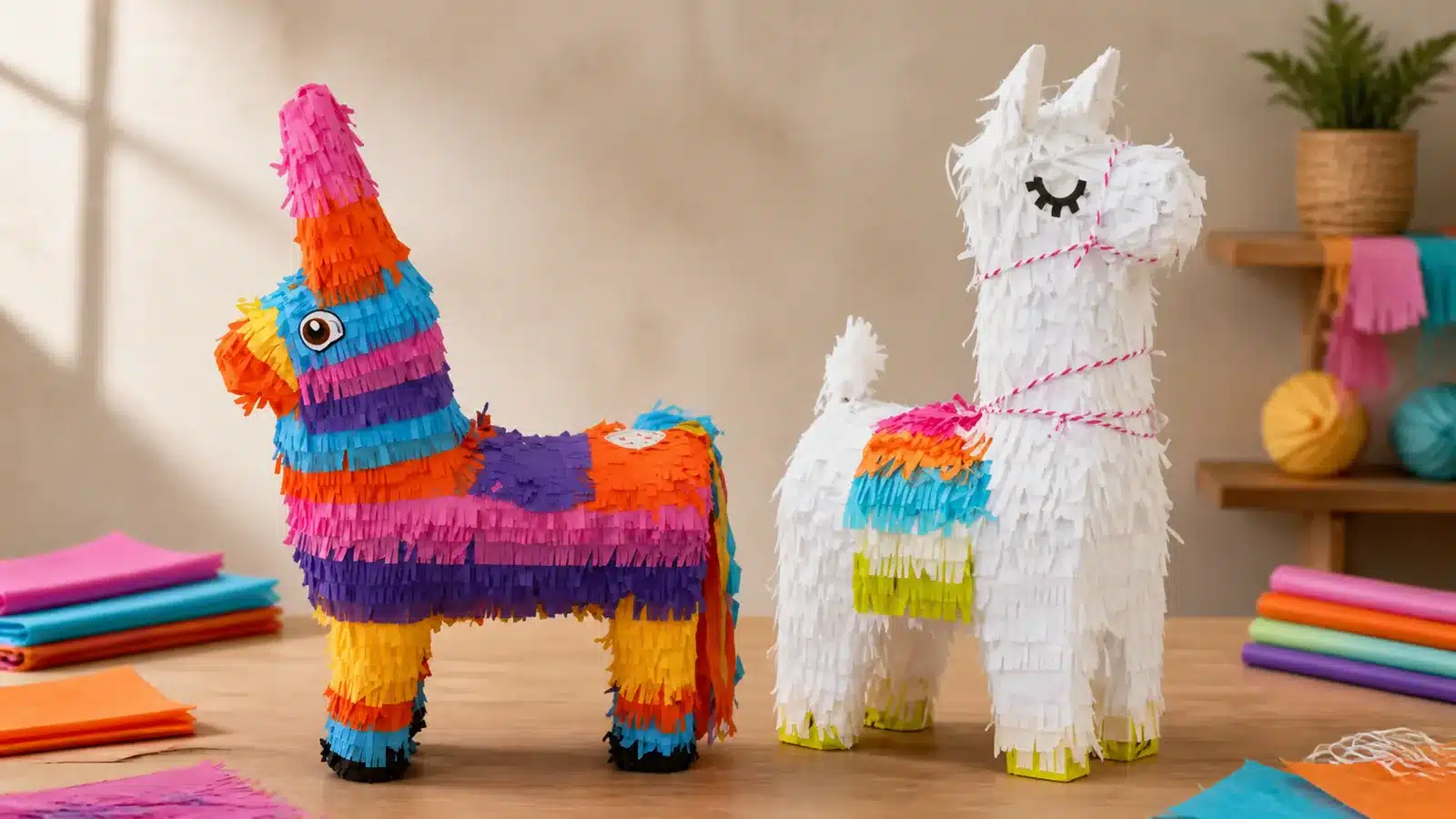
Show one finished example and one blank product in the content. The example helps customers imagine the result, while the blank image makes the actual delivered surface honest. If every photo shows a professionally finished sample, buyers may misunderstand how much work, material and skill the retail kit includes.
Why I ask to see the craft material
A blank product still has an approved finish. If the buyer sends the paint, glue, sticker or tissue method, we can test whether the surface supports it. Without that, “ready to decorate” can mean something different to the factory and the customer.
The missing decoration can hide extra customer work
- The buyer and factory use different definitions of blank.
- Craft materials are selected after the bulk surface is approved.
- The product is difficult to fill or hang after decoration.
- A bare form is packed without protecting clean work surfaces.
- Consumer instructions promise methods that were never tested.
Frequently asked questions
What is a blank pinata?
It is a pinata base sold for further decoration, but the completion level varies. Define the surface and work the customer will receive.
Can customers paint a blank pinata?
Possibly, depending on the surface and paint. Test the intended material on the actual sample before making a retail claim.
Can blank pinatas still hold candy?
They can when the design includes a suitable cavity and opening. Confirm that function for the exact base.
Are blank pinatas easier to pack?
Not automatically. Shape, depth, surface protection and units per carton still determine the pack.
Show us how the customer will finish the blank
Show us the base shape and one example of how the customer will finish it. We can discuss the right completion point, surface test and design-specific packing before the product is presented as DIY-ready.