

Foldable pinata shipping volume improves only when the flatter pack saves more space than the setup, protection and shape-recovery trade-offs create.
The strongest reason to consider a foldable construction is commercial: pinatas are light and bulky, so reducing packed depth can improve freight and warehouse use. The idea is attractive, but it does not suit every silhouette or selling channel.
A simple, broad body may open into shape cleanly. A design with rigid legs, horns, layered features or a precise three-dimensional profile may lose its character or require too much customer assembly. The mechanism and hanging point must also work after the product is opened.
The buyer should compare the complete system—folded pack, opening instructions, final appearance and function—against an assembled product, not compare carton dimensions in isolation. Buyers ready to compare actual products can browse foldable pinatas wholesale in the collection.
Choose shapes that can recover predictably
A foldable body needs controlled creases or expandable areas without making the front look collapsed. Broad ghosts, simple heads or box-like forms may be easier to evaluate than animals with several load-bearing projections.
- Clear opening direction
- Limited number of rigid projections
- Surface decoration that tolerates the fold
- Hanging point that aligns after opening
- Filling access that remains reachable
- No required tools or permanent repair for normal setup
Do not promise foldability from a drawing alone. Build and reopen a sample, then leave it in the assembled state long enough to see whether the shape and paper recover acceptably.
Run a first-time-user opening test
The tester should not be the person who designed or made the sample. Watch where an unfamiliar user hesitates, applies force or mistakes a normal fold line for damage.
- Pack the sample in the same folded condition proposed for sale.
- Give only the planned customer instructions and no factory coaching.
- Record setup time, confusion, paper damage and final shape recovery.
- Check filling, hanging and mechanism after the product is opened.
- Compare the verified carton saving with instruction, labor and return risk.
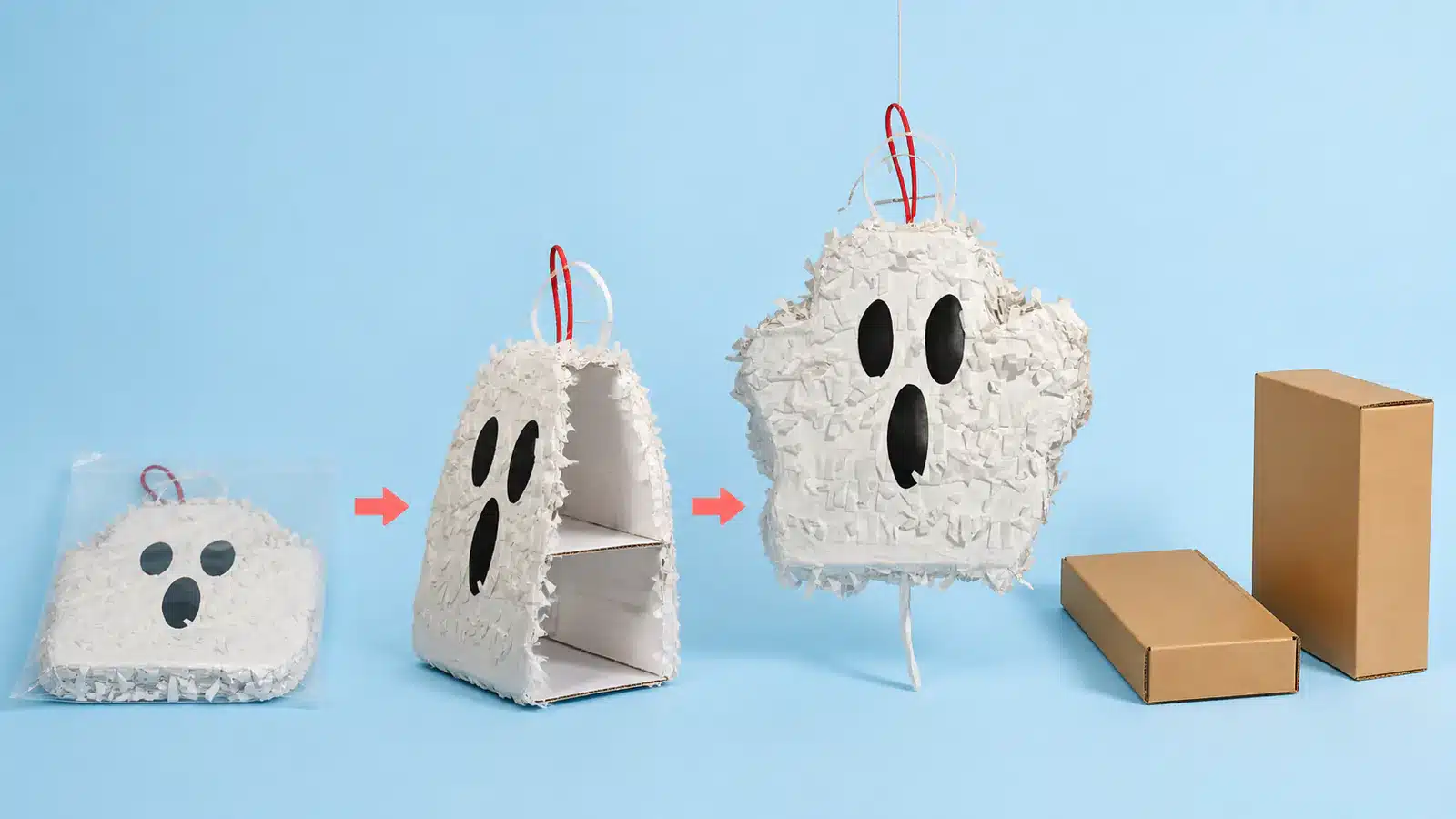
Oliver’s factory view: I like a foldable idea when I can show a first-time user how to open it in a few clear steps. If the product needs force, repair or explanation from the factory, the freight saving may become a customer-service problem.
Measure the customer setup, not only the factory pack
Ask someone who did not build the sample to follow the proposed instructions. Record the steps, time, points of confusion and any damage to fringe or attachments. A factory worker’s familiarity can hide a difficult customer experience.
| Setup check | Pass question |
|---|---|
| Opening | Can the user identify the correct direction? |
| Shape recovery | Does the product hold the approved silhouette without excessive force? |
| Decoration | Do folded paper and attachments remain presentable? |
| Function | Are hanging, filling and release features usable? |
| Instruction | Can the steps fit on the retail insert or product page? |
Calculate the real volume saving
Compare assembled and folded packs using units per carton, carton dimensions, protective material, gross weight and any extra instruction or retail component. A flatter product that needs heavy individual protection may save less than expected.
Then compare landed cost per unit and warehouse positions. The saving should be large enough to justify the development and potential return risk. If it only improves one carton slightly, a simpler packing revision may be the better choice.
Do not mix preliminary folded dimensions with final assembled-product expectations. Keep both sets of measurements in the approval file.
Treat instructions and returns as part of the design
A foldable product transfers one production step to the importer, retailer or end customer. Decide who performs that step. If stores assemble the products before display, include labor and training. If customers open them at home, the retail pack needs clear language and images that remain visible before opening.
Record the questions a first-time tester asks. “Which side opens first?” and “Is this crease damage?” belong in the instruction. A short setup video linked from the product page can help, but the physical pack should still provide enough information to prevent avoidable force or tearing.
Compare return reasons during the pilot. If customers reject normal fold lines or cannot restore the shape, change the construction, presentation or sales promise before scaling the carton saving into a larger order.
Make folded condition part of QC
Bulk QC should confirm the correct fold, protection, attachments, instruction, product identity and carton orientation. A sample check should also open representative pieces and confirm that the approved form and function return.
The purpose is not to assemble every unit before sale. It is to detect a changed fold, trapped attachment or decoration that prevents the expected setup before the complete order ships.
When an assembled product is the better answer
Keep the product assembled when the silhouette depends on multiple rigid joints, the retail customer expects immediate use, the venue has no setup time or the folded surface cannot recover to an acceptable presentation.
A foldable version is not automatically more advanced. It is one design route for a specific logistics problem. Choose it only when the buyer can explain the space saved and the customer can use it comfortably.
If you are still choosing the format rather than refining a foldable design, use the foldable-versus-rigid comparison to weigh freight, setup and presentation on the same brief.
Related buyer resources
- Shipping Pinatas from China: Volume, FOB and Import Planning
- Pinata Landed Cost: Freight, Duty and Storage
- Large Pinatas Wholesale: Construction, Freight and Handling
Compare folded and assembled versions
Send the shape, target size, use, retail setup expectation and shipping limit. We will review whether the design can recover cleanly and whether the carton saving is meaningful.
Frequently asked questions
What is the main advantage of foldable pinatas?
They can reduce storage and shipping volume when the design and pack support efficient flat packing.
What trade-offs should I test?
Assembly time, shape recovery, structure, attachments, final appearance and the intended function.
Do foldable items have a standard pack?
No universal specification is promised. The final pack depends on design, protection and quantity.
Who should assemble them?
That depends on the channel. Decide whether the factory, importer, store or end customer is responsible and design instructions accordingly.