A pinata factory is not an automated line producing identical molded parts; it is an organized hand-production system built around approved references and clear responsibility.
I am Oliver Fang, the owner of this factory. I first became involved with pinata production in 2017, when I organized local people to make OEM orders for trading companies. I liked the product because it brings celebration and culture into an object made largely by hand. The work also created flexible employment for people in our area.
Our current company was established in 2022. Production is organized across four work areas totaling about 2,000 square metres. We have 25 regular workers and use temporary workers as order volume changes; peak staffing can rise substantially for planned programs. About 80% of the work is manual.
Those facts explain both our strength and the controls a buyer should expect. People can build unusual shapes and apply detailed paper surfaces that are not suited to one rigid machine process. The factory must then use samples, work instructions and in-process checks to keep that flexibility from becoming uncontrolled variation.
The factory information a buyer can verify
| Item | Current factory information |
|---|---|
| Production experience | Pinata work began in 2017; current company established in 2022 |
| Operating model | Factory production, not a trading-company-only model |
| Work areas | Four production areas totaling approximately 2,000 m² |
| People | 25 regular workers plus temporary and peak labor as production plans require |
| Process | Approximately 80% manual work |
| Export experience | Orders have been handled for the United States, Canada, Mexico and Germany |
| Current audit status | No factory-audit document is currently published |
香港德普斯科技有限公司 coordinates sales and export work, while 安庆著文信息科技有限公司 manages factory production. The quotation and pro forma invoice identify the seller, payment recipient and named FOB port before payment.
For the production context behind these steps, review our factory capabilities and evidence before comparing suppliers.
Factory overview photographs
Reserved for original factory photographs: the exterior or entrance, one wide view from each work area, and a current dated overview. These placeholders will be replaced when those photographs are available.
Ask the factory to trace one order through five handoffs
A factory page becomes useful when a buyer can see how information moves, not only how the workshop looks. Use one representative design and ask who owns each handoff.
- Quotation and sample brief become one approved production file.
- Material and color preparation follow the current design version.
- Early pieces are checked before the same error becomes a batch.
- Packing is developed around the approved product, not a universal carton.
- Final quantity, carton and FOB documents use the same SKU identity.
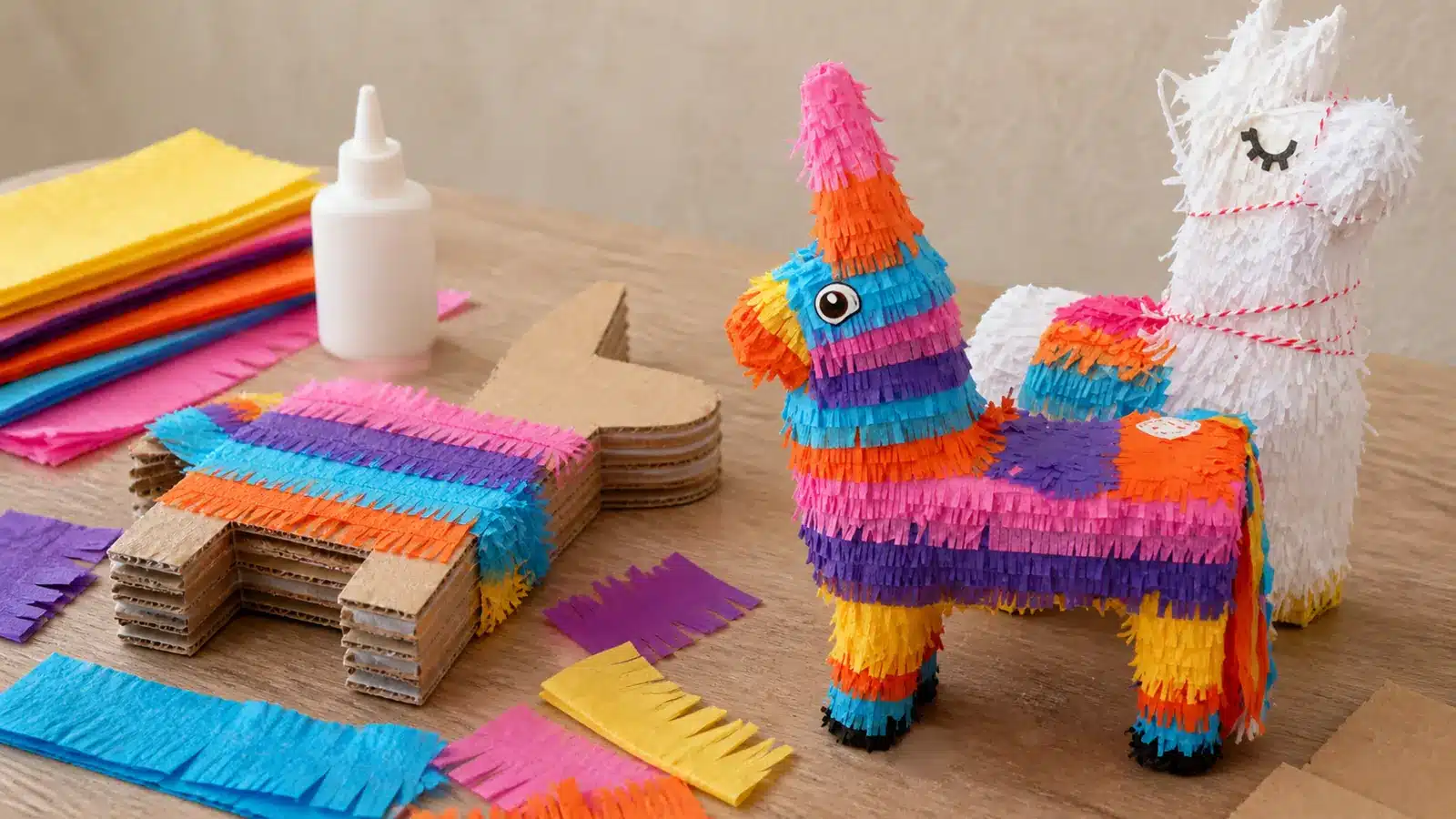
Oliver’s factory view: Our work areas are practical rather than decorative. When we add factory photographs, I want buyers to see the real materials, people, production references and packing activity—not a showroom pretending to be a production line.
On this page
- The factory information a buyer can verify
- 1. Convert the order into a controlled production file
- 2. Prepare structure and handmade surface work
- 3. Check early pieces before the error becomes a batch
- 4. Develop packaging around the real product
- 5. Keep the buyer involved at the decisions that matter
- What we still need from the buyer
1. Convert the order into a controlled production file
Production should not begin from a chain of chat messages. The factory file connects the product image or artwork, quantity by design, finished dimensions, mechanism, approved sample, color references, label versions and packing requirement.
Custom orders first identify the must-keep features and the details that can be simplified. Catalog repeats use the current approved product reference. If a buyer changes size, mechanism or major shape, the team treats that as a controlled revision because it can change labor and cartons.
- One current image or sample reference per SKU
- Quantity, size and color by design
- Break-open, pull-string or display use
- Filling opening and hanging requirement
- Label, barcode and retail-pack version
- Approved change record and responsible buyer
2. Prepare structure and handmade surface work
The hollow body provides the volume that the end customer later uses for sweets, toys or other party contents. Structure preparation defines the silhouette, depth, joints, filling access and hanging point. The route changes with the shape; a number, star and animal cannot share one identical pattern.
If the intended use is strike-to-open, look inside break-open pinata construction to understand which hidden parts need to be agreed before decoration.
Colored paper is then prepared, cut into fringe or decorative pieces and attached by hand. Workers build the approved color blocks and surface direction gradually. Shapes with ears, legs, handles or layered features require additional attachment and alignment work.
Before colored paper hides the body, see what a blank pinata base reveals about structure and finish.
Manual production does not mean “anything is acceptable.” The team uses the approved reference to protect critical dimensions, recognizable silhouette, major colors, attachment locations and function while allowing small paper-placement differences that do not change use or presentation.
Materials and work-in-process photographs
Reserved for future images: incoming paper and board, cut fringe by color, undecorated structures, attachment work, and the approved sample beside early production pieces.
3. Check early pieces before the error becomes a batch
The most useful inspection moment is early. First pieces are compared with the approved sample or documented views before a misunderstanding repeats through a large group. The check focuses on product identity, main measurements, silhouette, color areas, hanging, filling and mechanism where applicable.
During early inspection, trace the load through the hanging point and surrounding body instead of checking only whether a cord is attached.
In-process teams also watch for weak joints, missing decorative parts, blocked openings, mixed labels and handling damage. If a design has one special risk—such as a long horn, pull-string release or custom logo—it receives an order-specific control instead of relying only on a general appearance check.
| Acceptable handmade difference | Defect requiring action |
|---|---|
| Small fringe-spacing or overlap variation | Wrong product, colorway or logo interpretation |
| Minor symmetry difference without functional effect | Failed hanging point or unusable filling opening |
| Slight surface texture difference | Missing or detached important part |
| Small placement range within approved appearance | Incorrect mechanism, label or carton identity |
4. Develop packaging around the real product
Packaging specifications cannot be standardized. A mini favor, a tall number and a large animal need different protection, orientation and count. Pinatas are also light but bulky, so the pack has to control damage without creating unnecessary freight volume.
When both constructions are feasible, compare foldable and rigid construction before approving the pack because freight savings may create setup work after delivery.
After the product and protection method are approved, the packing file records individual protection, units per inner or master carton, carton dimensions, gross and net weight, carton marks and total cartons. A trial pack or clear photo approval shows how the product sits before full packing begins.
Labels and barcodes are checked against the SKU sheet. The final packing list then gives the buyer and forwarder the shipment inputs they need. Bulk export quotations are currently prepared on an FOB basis with the named port stated in the commercial file.
Packing and loading photographs
Reserved for future images: individual protection, carton arrangement before closure, carton marks, measured carton dimensions, final packed cartons, and loading or handover evidence.
5. Keep the buyer involved at the decisions that matter
A factory cannot make every commercial decision alone. The buyer approves the design interpretation, destination information, labels, mechanism, retail presentation and any named test or inspection scope. The factory turns those decisions into production and packing controls.
Our normal sample work commonly takes 3–7 days depending on complexity. The current route includes one revision, and eligible sample fees can be credited when that condition is written into the quotation. Approval may use photos, video or a physical sample.
Customer names, logos, custom artwork, quantities and launch details remain confidential. We can explain the workflow without exposing another buyer’s order. Your own sample and production file should be the evidence used to control your project.
What we still need from the buyer
- Product links, photographs, sketches or authorized artwork.
- Quantity for every design, size and color.
- Intended use, mechanism and filling requirements.
- Must-keep features and acceptable simplifications.
- Labels, barcodes, retail packaging and destination text.
- Target date, destination and named FOB port.
- Any required testing, inspection or document named before quotation.
When those inputs are clear, the factory can be decisive. Where final figures depend on the approved sample—especially cartons and some custom-shape details—we show the sequence instead of inventing a universal number.
Related buyer resources
- Custom Pinatas: Design and Manufacturing Guide
- Pinata Quality Control: What Buyers Should Check Before Shipment
- Pinata Packaging and Carton Planning for Irregular Shapes
Bring us a real order to review
Send the products, quantity by design, custom references, sample priorities, packaging and destination. We will map the decisions from sample through FOB packing.
Frequently asked questions
Are you a trading company or the factory?
We are the factory. 香港德普斯科技有限公司 coordinates sales and export work, while 安庆著文信息科技有限公司 manages production. The quotation and pro forma invoice identify the seller and payment recipient before payment.
How much work is manual?
About 80% of production work is completed by hand.
How large is the factory?
The current working area is about 2,000 square metres across four work areas.
Which stages need the closest control?
Shape, measurements, hanging and filling points, surface finishing, approved color and packaging all need checks that match the design.